- April to June presents a shoulder season advantage with pleasant weather and fewer crowds.
- July to September marks peak dry season, ideal for liveaboard expeditions and Komodo Dragon viewing.
- October maintains favorable conditions while transitioning towards the wetter months.
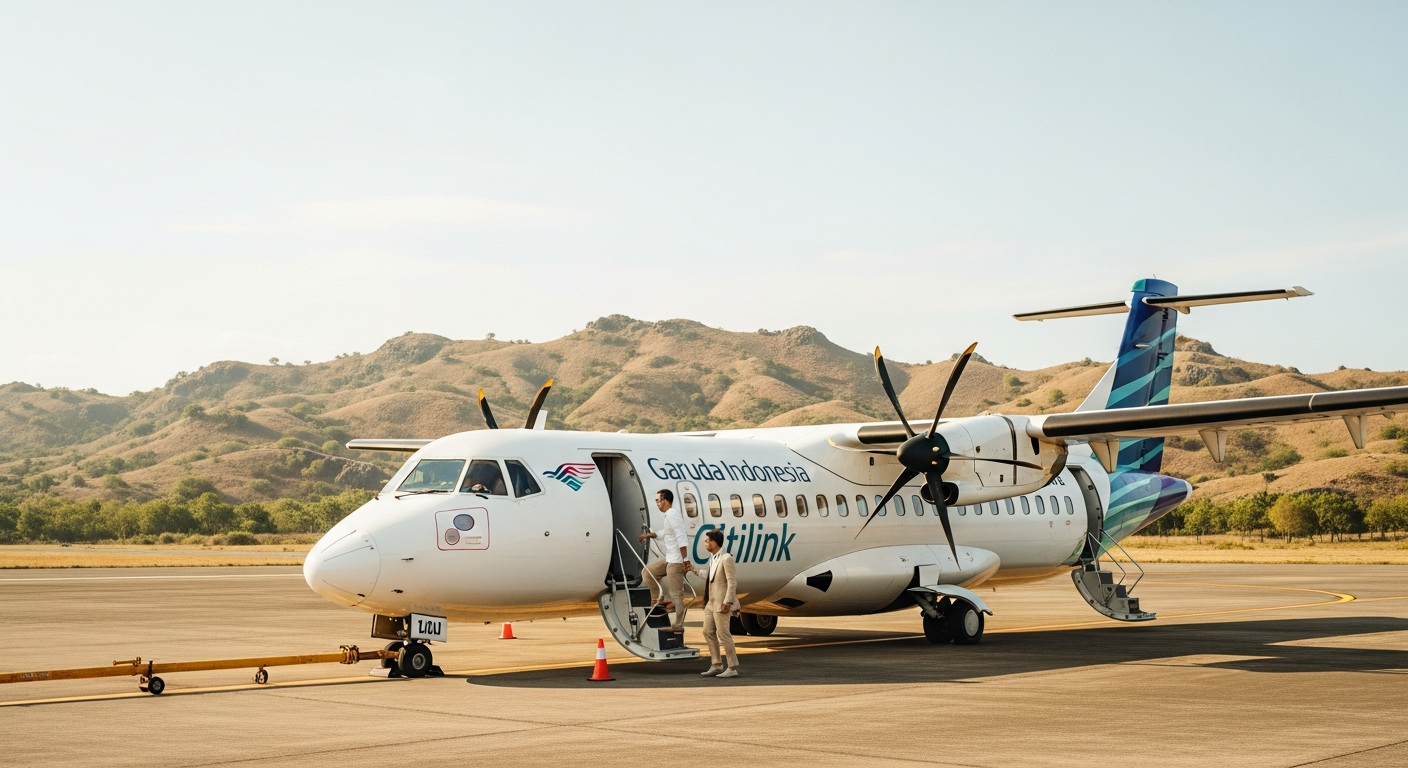
The morning light catches the distant silhouette of Flores, an invitation. Anticipation builds as your aircraft approaches Labuan Bajo, the gateway to Komodo National Park. Understanding the precise timing for your journey ensures a seamless arrival into this unique Indonesian archipelago.
The Dry Season Advantage: April to October
The dry season, extending from April to October, consistently offers the most favorable conditions for flights to Komodo and subsequent exploration of the national park. During these months, the West Manggarai Regency experiences minimal rainfall, leading to clear skies and predictable weather patterns. Average daily temperatures hover around 28 to 32 degrees Celsius, providing comfortable conditions for both air travel and ground excursions. This stability significantly reduces the likelihood of flight delays or cancellations, a crucial consideration when coordinating complex itineraries involving private phinisi charters or dive liveaboards.
Airlines like Garuda Indonesia, Citilink, and Batik Air operate daily services into Labuan Bajo (LBJ) from major hubs such as Jakarta (CGK) and Bali (DPS). During the dry season peak, typically July and August, flight frequencies often increase to accommodate higher demand. For example, a direct flight from Jakarta to Labuan Bajo spans approximately 2 hours and 30 minutes. Connecting through Bali Ngurah Rai International Airport (DPS) is a common route, with multiple daily connections that average 1 hour and 15 minutes in flight time. Water visibility in Komodo National Park during this period can exceed 25 meters, making it ideal for diving at renowned sites like Batu Bolong or Manta Point. The Komodo National Park, established in 1980, became a UNESCO World Heritage Site in 1991, protecting its distinct terrestrial and marine ecosystems. Securing flights to Komodo well in advance for these months is highly recommended, often 3-6 months prior, especially for UHNW travelers with specific schedule requirements.
Wet Season Considerations: November to March
While the dry season is widely preferred, the wet season, from November to March, presents its own set of considerations for those planning flights to Komodo. This period is characterized by increased rainfall, particularly from December to February, where monthly precipitation can reach 200-300 millimeters. While heavy downpours are usually intermittent and often occur in the afternoon or evening, they can lead to reduced visibility and choppier seas. Flights during this time may experience greater susceptibility to delays or reroutes due to weather conditions. Wings Air and Super Air Jet, offering more budget-conscious options, maintain their schedules but passengers should monitor weather forecasts closely.
Despite the rain, the landscape around Labuan Bajo transforms into a lush, vibrant green, a stark contrast to the drier, golden hues of the peak season. This period sees fewer visitors, offering a more secluded experience within Komodo National Park. For travelers prioritizing solitude over consistently clear skies, the wet season can be an attractive option. Marine life remains active, though strong currents can be more prevalent. Dive operators typically adjust their itineraries to sheltered sites, ensuring safety and continued access to the park’s biodiversity. The average water temperature remains a comfortable 26-28 degrees Celsius year-round. While direct flights from Surabaya (SUB) to Labuan Bajo are less frequent than from Jakarta or Bali, they generally operate consistently, offering an alternative connection point for business travelers or those originating from East Java. For detailed information on the region, refer to Indonesia.travel’s Labuan Bajo guide.
Shoulder Seasons: Insider’s Choice for Discerning Travelers
For the discerning traveler, the shoulder seasons—specifically April, May, and October, November—offer a strategic balance when planning flights to Komodo. These months bridge the transition between the peak dry and wet seasons, often delivering excellent weather without the highest concentration of tourists. In April and May, the tail end of the dry season sees consistently sunny days, calm waters, and vibrant green landscapes from the recent rains. Average temperatures are stable, similar to the peak season at 28-32 degrees Celsius. This period is particularly appealing for those seeking optimal conditions for Komodo Dragon sightings on Rinca or Komodo Island, where the reptiles are most active.
October and November present another window of opportunity. While November signals the onset of the wet season, early November often retains much of the dry season’s favorable weather, sometimes with brief, refreshing showers. Flight availability tends to be more open, and pricing for commercial carriers like Citilink or Batik Air may be marginally more competitive than in July or August. Liveaboard operators often highlight these months for excellent diving, as the marine environment remains rich and diverse, with visibility still frequently exceeding 20 meters. For UHNW individuals considering private jet charters or bespoke multi-leg itineraries across Indonesia, the shoulder seasons allow for greater flexibility in slotting Labuan Bajo arrivals. Booking 2-4 months in advance is generally sufficient for these periods, ensuring preferred flight times and seating. The Komodo National Park encompasses 1,733 square kilometers of marine and land area, offering vast exploration possibilities.
Flight Logistics & Airline Reliability for Komodo Arrivals
Navigating flight logistics to Labuan Bajo (LBJ) requires an understanding of airline reliability and route options, particularly for UHNW travelers. Garuda Indonesia, the national flag carrier, typically offers the most premium service and highest reliability for connections from Jakarta Soekarno-Hatta (CGK) and Bali Ngurah Rai (DPS). Their direct flights to Labuan Bajo are often preferred for their comfort and punctuality. Citilink and Batik Air provide strong alternatives, operating modern fleets and maintaining consistent schedules. Wings Air and Super Air Jet cater to different segments, frequently offering more competitive fares but sometimes with less flexibility in schedule changes.
During peak seasons or periods of adverse weather, flight slots into LBJ can become constrained. Labuan Bajo Airport, also known as Komodo Airport, features a single runway measuring approximately 2,250 meters. This length accommodates aircraft up to the size of a Boeing 737 or Airbus A320. For UHNW guests coordinating arrivals with phinisi departures, precision in flight timing is paramount. It is advisable to book the earliest possible morning flights into Labuan Bajo to allow ample time for transfer to the harbor and boarding, minimizing the impact of any unforeseen delays. Conversely, booking later afternoon flights for departure from LBJ offers a buffer after returning from the park. Carriers like Garuda Indonesia often have strong operational records, with on-time performance for domestic routes frequently exceeding 85%. Always confirm baggage allowances, especially for dive equipment, as these can vary significantly between airlines.
Marine Conditions & Liveaboard Planning Synergy
The timing of your flights to Komodo directly impacts the marine conditions you will experience, a critical factor for guests planning liveaboard expeditions within Komodo National Park. The dry season (April-October) offers the most consistent and favorable marine environment. During these months, the prevailing winds are generally lighter, leading to calmer seas and excellent visibility across the park’s diverse dive sites. Water temperatures average a comfortable 26-28 degrees Celsius, ideal for extended dives or snorkeling sessions. The calm conditions are particularly advantageous for reaching remote sites like the challenging yet rewarding currents of Shotgun or the pristine coral gardens of Pink Beach.
Visibility often extends beyond 25 meters, allowing for unparalleled encounters with the park’s abundant marine life, including manta rays, reef sharks, and vibrant coral formations. This period also coincides with optimal conditions for photography, both underwater and topside, capturing the iconic landscapes of Padar Island or the tranquil coves of Komodo Island. For UHNW travelers booking bespoke phinisi charters, aligning flight arrivals with the dry season ensures the best possible experience for their multi-day marine adventure. Phinisi liveaboards, traditionally handcrafted wooden vessels, offer a luxurious way to explore the 1,733 square kilometers of the park, which is home to over 1,000 species of fish. The wet season (November-March) can bring stronger currents and reduced visibility in some areas due to runoff, though experienced dive masters adapt itineraries to maintain high-quality experiences in sheltered locations. For further reading on the unique biodiversity, consult the Komodo National Park Wikipedia page.
Booking Strategy for the UHNW Komodo Traveler
For UHNW travelers, a sophisticated booking strategy for flights to Komodo ensures maximum efficiency and comfort. Given the specific demands of luxury travel, early booking is not merely a recommendation but a necessity. For peak dry season travel (July-September), securing flights 6-9 months in advance is prudent, especially when coordinating with exclusive phinisi charters or private island stays. This lead time allows for preferred seating, private transfer arrangements, and seamless integration with pre-arranged ground logistics in Labuan Bajo.
Consider direct flights from Jakarta (CGK) or Bali (DPS) as primary connection points. Garuda Indonesia offers a premium experience, often with business class options, which can be invaluable for longer connections. For those with private jet capabilities, Komodo Airport (LBJ) can accommodate certain private aircraft, though slot coordination and ground handling services require meticulous planning through specialized aviation brokers. When connecting from international arrivals, allow a minimum of 3-4 hours between your international flight into Jakarta or Bali and your domestic connection to Labuan Bajo. This buffer accounts for potential international flight delays, immigration processing, and domestic terminal transfers. For families or groups, block booking multiple seats together ensures continuity. Finally, engage with a dedicated luxury travel advisor or your phinisi charter company directly; they possess the insider knowledge to navigate the nuances of Indonesian domestic air travel and secure optimal arrangements tailored to your precise needs.
The strategic timing of your flights to Komodo shapes the entirety of your journey. By understanding the seasonal rhythms and logistical considerations, you curate an arrival as refined as the Komodo experience itself. For further details on routes, schedules, and personalized travel planning, explore the comprehensive resources available on flightstokomodo.com.