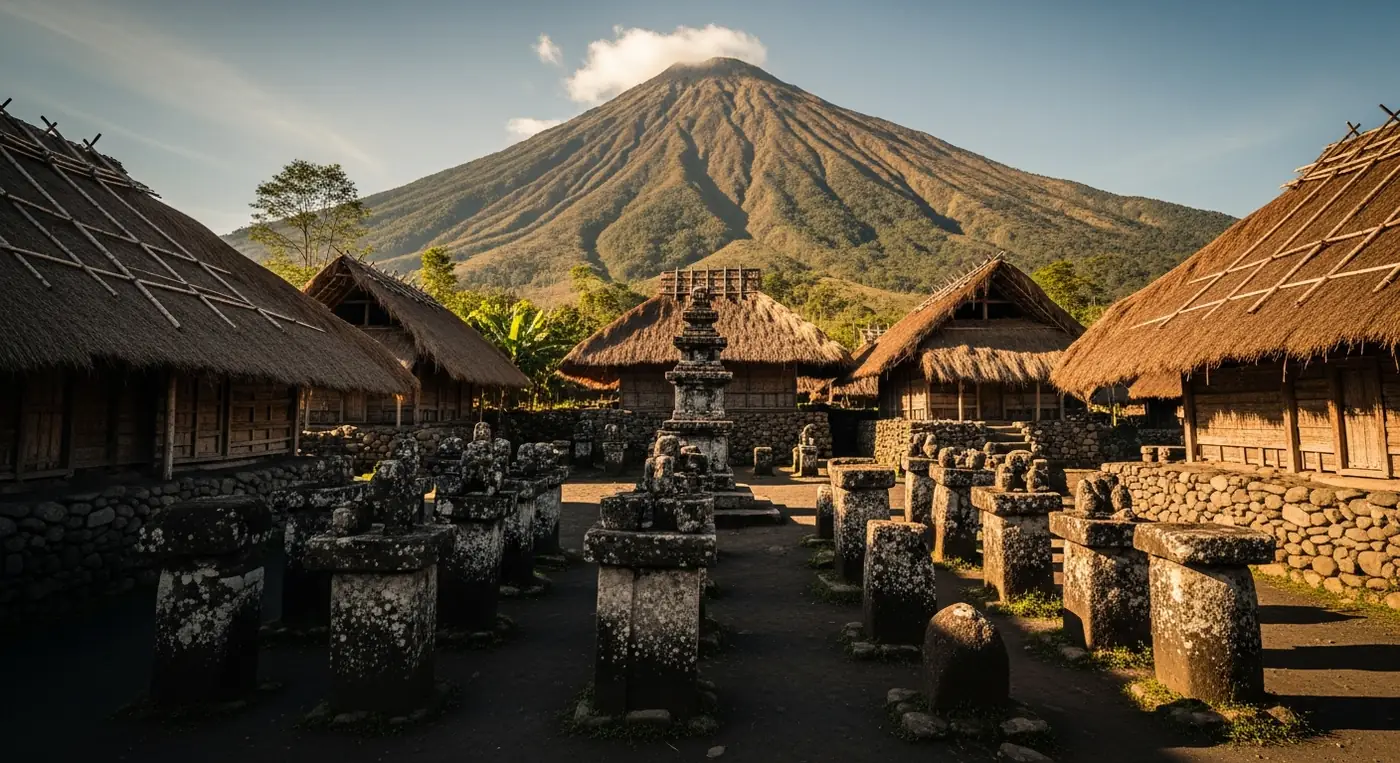
set off on a Flores cultural tour to explore the traditional village of Wae Rebo, renowned for its unique Mbaru Niang huts and Manggarai heritage. Reachable via a scenic drive from Labuan Bajo to Denge village, followed by a 2–3 hour trek, this journey offers an immersive experience into the customs and landscapes of Flores Island.
Wae Rebo Village History and Manggarai Heritage
Located at an altitude of 1,100 meters Flores Island, Wae Rebo is a traditional village home to the Manggarai people. Known for its iconic Mbaru Niang huts, Wae Rebo provides a glimpse into the suku Manggarai’s unique way of life, blending ancient traditions with the island’s natural beauty.
How to Reach Wae Rebo from Labuan Bajo
Starting from Labuan Bajo, the gateway to Flores, the journey to Wae Rebo involves a scenic drive to Denge village. The drive takes around 5–6 hours, depending on road conditions. From Denge, a 2–3 hour trek through lush forests and mountain trails leads you to the remote village of Wae Rebo.
Wae Rebo Trekking Route and Duration Guide
The trek to Wae Rebo is an adventure through pristine landscapes, taking approximately 2–3 hours on foot. The path is well-marked and offers stunning views of the surrounding mountains and valleys, providing a perfect introduction to Flores’ natural wonders.
Mbaru Niang Traditional Hut Architecture Explained
Central to Wae Rebo’s cultural identity are the Mbaru Niang huts, traditional cone-shaped structures built using local materials. These huts symbolize the community’s connection to their ancestors and are designed to withstand the highland climate.
Wae Rebo Cultural Rituals and Local Customs
Visitors to Wae Rebo can witness ritual adat, traditional Manggarai ceremonies that reflect the community’s rich cultural heritage. These rituals often involve music, dance, and offerings to honor the ancestors and ensure harmony in the village.
Best Time to Visit Wae Rebo for Clear Weather
The ideal time to visit Wae Rebo is during the dry season, from April to October, when the weather is most favorable for trekking and exploring. Planning your trip during these months ensures clearer skies and more comfortable conditions.
Wae Rebo Accommodation Options and Mbaru Niang Stay
Staying overnight in Wae Rebo offers a unique cultural experience. Visitors can sleep in the Mbaru Niang huts, enjoying the hospitality of the Manggarai people. This immersive stay includes traditional meals and participation in daily village activities.
Nearby Villages: Bena, Wologai, and Manggarai Culture
Beyond Wae Rebo, explore other traditional villages like Bena and Wologai. Bena, located near Bajawa, is a megalithic Ngada village known for its stone structures and ancestral ceremonies. Wologai offers insights into the distinct cultural practices of the central Flores highlands.
Kelimutu Lakes Tour Combined with Wae Rebo Trip
Enhance your Flores cultural tour by combining a visit to the mystical Kelimutu Crater Lakes. Located 2 hours from Ende, these three-colored lakes are a natural wonder and a significant cultural site for the local people.
Wae Rebo Photography Tips and Sunrise Spots
For photography enthusiasts, Wae Rebo offers spectacular sunrise and landscape opportunities. Capture the iconic Mbaru Niang huts against the backdrop of the surrounding mountains, and don’t miss the early morning light for the best shots.
- What’s included: Private car and driver, experienced Flores-born guide, trek to Wae Rebo, overnight stay in Mbaru Niang huts, meals, and cultural participation.
Who it’s for:
This tour is perfect for travelers seeking an authentic cultural experience, nature lovers, and those interested in traditional architecture and local customs.
FAQ
How long does the trek to Wae Rebo take?
The trek to Wae Rebo typically takes 2–3 hours from Denge village, depending on your pace and weather conditions.
What is the best time to visit Wae Rebo?
The best time to visit Wae Rebo is during the dry season, from April to October, when the weather is most favorable.
How much does a Wae Rebo cultural tour cost?
Indicatively, a 2D1N private trip to Wae Rebo ranges from USD 120-180. Always confirm prices directly.
Can I stay overnight in Mbaru Niang huts?
Yes, overnight stays in the Mbaru Niang huts are possible, offering a unique cultural immersion with meals and village activities included.
Ready to explore the cultural wonders of Flores? Start planning on WhatsApp for an unforgettable journey into the heart of the Manggarai heritage.
Eco-Tourism Impact and Conservation in Wae Rebo
Wae Rebo Village, perched at 1,100 meters above sea level on Flores Island, is a remarkable example of sustainable eco-tourism. As part of the larger Manggarai cultural fabric, this traditional village has become a focal point for visitors seeking authentic cultural experiences. The distinctive Mbaru Niang huts, unique to the suku Manggarai, have attracted global attention not just for their architectural beauty, but for what they represent in terms of cultural preservation and environmental harmony.
Eco-tourism in Wae Rebo is designed to minimize the ecological footprint while maximizing economic benefits for the local community. The community-led conservation efforts have been pivotal in maintaining the natural and cultural integrity of the area. Visitors are encouraged to participate in ritual adat and other cultural activities, fostering an appreciation for the traditions of the Manggarai people.
- Community Benefits: Increased income from tourism supports education and healthcare improvements.
- Environmental Preservation: Conservation projects funded by eco-tourism help protect local flora and fauna.
- Visitor Guidelines: Tourists are encouraged to respect local customs and contribute to conservation efforts.
While eco-tourism brings challenges, including the need for sustainable infrastructure and visitor management, Wae Rebo remains a model for balancing tourism with cultural and environmental stewardship. For those interested in exploring this unique cultural landscape, consider planning your trip during the best season from April to October. To learn more about planning your eco-tour, visit our Wae Rebo tour page.
Plan your 2027 Flores tour on WhatsApp
Wae Rebo Tour Packages and Pricing Comparison
When planning your journey to Wae Rebo, understanding the available tour packages and their pricing can help tailor your experience to your preferences. A typical Wae Rebo 2D1N private trip ranges from USD 120 to 180, offering a personalized experience that includes a guided trek and immersive cultural activities. This package provides not only a visit to the revered Mbaru Niang huts but also an opportunity to learn about local traditions and participate in communal life.
For a more comprehensive adventure, consider a 3–5 day overland tour from Labuan Bajo to Ende or Maumere, priced between USD 450 and 750. This option includes stops at notable sites such as Bena Village and the Kelimutu Crater Lakes, providing a broader understanding of Flores’ rich cultural and natural heritage.
| Package | Duration | Price (USD) |
|---|---|---|
| Wae Rebo 2D1N Private Trip | 2 Days | 120-180 |
| 3–5 Day Overland Tour | 3-5 Days | 450-750 |
| Half-Day Lingko Rice Fields | Half-Day | 15-25 |
For travelers seeking flexibility, private car and driver services cost USD 65-100 per day, offering the freedom to explore at your own pace. Regardless of your choice, these tours provide an authentic experience of Flores Island’s cultural and natural wonders. Learn more about our overland tour options here.
Plan your 2027 Flores tour on WhatsApp
Wae Rebo Village History and Manggarai Heritage
Wae Rebo Village, tucked away in the lush mountains of Flores Island, is a living a sign of the rich cultural heritage of the Manggarai people. The village is renowned for its traditional Mbaru Niang huts, with designs that have been handed down through generations. These cone-shaped structures are not only architectural marvels but also a symbol of the community’s identity and unity.
The history of Wae Rebo is deeply intertwined with the suku Manggarai’s traditions and stories. The village was originally founded several centuries ago and has maintained its cultural practices through ritual adat, which are ceremonies and festivals that honor ancestors and strengthen community bonds. Visitors often witness these vibrant traditions during a cultural tour, offering a glimpse into a way of life that is closely connected to nature and spirituality.
Wae Rebo is part of a broader network of traditional villages in Flores, like Bena and Wologai, each with distinct cultural elements. This connection to the past is not just preserved in architecture but is alive in the daily life of the villagers. As eco-tourism grows, efforts to sustain and celebrate this heritage are more important than ever.
Plan your 2027 Flores tour on WhatsApp and immerse yourself in the Manggarai heritage.
How to Reach Wae Rebo from Labuan Bajo
Labuan Bajo serves as the primary gateway to explore the wonders of Flores Island, including the enchanting Wae Rebo Village. To reach this remote village, one must set off on a journey that combines driving and trekking. Here’s a step-by-step guide to help you plan your visit:
- Drive from Labuan Bajo to Denge: The journey begins with a scenic drive to Denge village, approximately 4-5 hours away. Hiring a private car with a driver costs about USD 65-100 per day, offering comfort and flexibility.
- Trek from Denge to Wae Rebo: Once in Denge, the adventure continues with a 2-3 hour trek through lush forests and hilly terrain. The path is well-marked, but it can be challenging, so proper footwear and a moderate level of fitness are recommended.
For those considering a broader exploration, a 3–5 day overland tour that includes Wae Rebo and other destinations like Kelimutu Lakes and Bena village ranges from USD 450-750.
Travelers should plan their visit between April and October, the best season for road conditions and weather. Consider adding a boat day to Komodo National Park for IDR 200,000 (≈$12.70).
Plan your 2027 Flores tour on WhatsApp to ensure a smooth journey to Wae Rebo.
Mbaru Niang Traditional Hut Architecture Explained
The Mbaru Niang huts of Wae Rebo stand as architectural achievements that reflect both functionality and cultural significance. These unique cone-shaped structures are made using traditional techniques and materials sourced from the surrounding environment, embodying the Manggarai people’s harmonious relationship with nature.
| Feature | Description |
|---|---|
| Shape | Conical, resembling a beehive, designed to withstand heavy rains and strong winds. |
| Materials | Constructed using local materials such as bamboo, wood, and palm fiber for roofing. |
| Structure | Five floors, each serving a specific purpose, from storage to communal living spaces. |
The first floor is where daily activities occur, while the upper floors store food and valuables. The central pole, known as the tiang utama, is crucial, symbolizing unity and strength. The construction of a Mbaru Niang is a communal effort, involving ritual adat to bless the building process.
Understanding the Mbaru Niang architecture enhances the appreciation of the Manggarai heritage. This insight is a highlight of any Flores cultural tour, offering a deeper connection to the community’s way of life.
Plan your 2027 Flores tour on WhatsApp to explore the architectural marvels of Wae Rebo.